
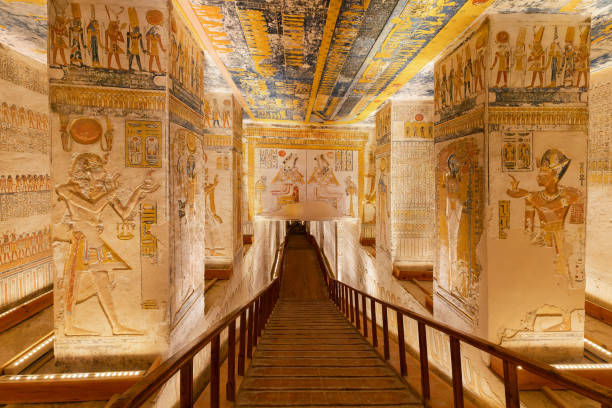

Egypt’s Valley of the Kings is one of the most iconic archaeological sites in the world. Hidden deep within the desert cliffs of Luxor’s west bank, it holds the secrets of pharaohs, royal families, and countless treasures of the New Kingdom era. For travelers fascinated by ancient Egypt, the Valley of the Kings tombs offer an unforgettable journey into history, mystery, and breathtaking art.
What Makes the Valley of the Kings Special?
The Valley of the Kings was chosen as the royal burial site during Egypt’s New Kingdom (1550–1070 BCE). Unlike the pyramids of Giza, which were more vulnerable to looting, the tombs here were carved into hidden cliffs to keep the pharaohs safe in their journey to the afterlife. Over 60 tombs have been discovered, each with unique stories, symbolic paintings, and hieroglyphics that illustrate ancient Egyptian beliefs about death and rebirth.
The Tomb of Tutankhamun: A Global Treasure
Perhaps the most famous of all the Valley of the Kings tombs is that of Tutankhamun, discovered almost intact in 1922 by Howard Carter. This discovery changed the world’s understanding of ancient Egypt. Gold artifacts, jewelry, and the iconic golden death mask made Tutankhamun a symbol of Egypt’s grandeur. While many treasures are now displayed in museums, visiting the tomb itself allows travelers to see the boy king’s resting place and vivid wall paintings.
Tomb of Ramses VI: A Masterpiece of Art
The tomb of Ramses VI is one of the most impressive in the valley. Its ceilings are adorned with detailed astronomical scenes depicting the sky goddess Nut and the ancient Egyptian view of the cosmos. Vibrant hieroglyphics narrate the pharaoh’s journey to the afterlife, showcasing the artistic brilliance of the period. This tomb stands out as a must-see for anyone visiting the Valley of the Kings tombs.
The Mysterious Tomb KV5: Hidden Chambers of Ramses’ Sons
Tomb KV5 is still one of the largest and most complex discoveries in the valley. It belonged to the sons of Ramses II and is thought to contain over 100 chambers, though many are yet to be fully explored. Archaeologists believe it may hold the remains of several princes, making it a unique site that continues to spark curiosity and research.
Tomb of Seti I: The Longest and Most Decorated Tomb
Seti I’s tomb is considered a true masterpiece among the Valley of the Kings tombs. Stretching over 100 meters, it is one of the longest tombs ever discovered. Its walls are covered in colorful and deeply carved reliefs from the “Book of the Dead” and other funerary texts, guiding the pharaoh through the afterlife. The level of craftsmanship is so detailed that it still captivates visitors thousands of years later.
Discover the secrets of the Valley Now With Vallera Tours!
Fascinating Stories and Legends of the Valley
- Curses of the Pharaohs: The discovery of Tutankhamun’s tomb gave rise to tales of a “curse” after several members of the excavation team died mysteriously. While historians explain these events scientifically, the legend still intrigues visitors.
- Hidden Treasures: Some believe that undiscovered tombs may still lie beneath the desert sands, holding secrets yet to be revealed.
- Afterlife Beliefs: The symbolic decorations in the tombs reveal the Egyptians’ deep belief in eternal life, guiding souls safely into the next world.
Tips for Visiting the Valley of the Kings
- Best Time to Visit: Early morning is ideal to avoid the heat and crowds.
- Tickets: A standard ticket usually includes access to three tombs of your choice, with extra fees for special tombs like Tutankhamun’s.
- Dress Comfortably: Wear light clothing, hats, and sunscreen as temperatures can be extreme.
- Guided Tours: Hiring a guide enriches the visit, as they explain the history, symbolism, and hidden details inside the tombs.
Why the Valley of the Kings Is a Must-See
Exploring the Valley of the Kings tombs is more than just a sightseeing experience. It’s a journey back in time that connects travelers to the lives, beliefs, and legacies of Egypt’s most powerful rulers. The valley holds mysteries that continue to amaze archaeologists and inspire visitors from around the world.
Read Also: The Red Pyramid of Dahshur: Combining History and Mystery
Frequently Asked Questions (FAQs)
Q1: How many tombs are in the Valley of the Kings?
There are over 60 tombs, though not all are open to the public at the same time.
Q2: Can visitors enter Tutankhamun’s tomb?
Yes, Tutankhamun’s tomb is open to visitors, though it requires an additional ticket.
Q3: Are the Valley of the Kings tombs safe to visit?
Absolutely. The site is well-protected, and modern conservation efforts ensure that visitors can explore safely while preserving the ancient art.
Q4: How long does it take to tour the Valley of the Kings?
On average, visitors spend 2–3 hours exploring, though history enthusiasts may want more time.
0 Comment