
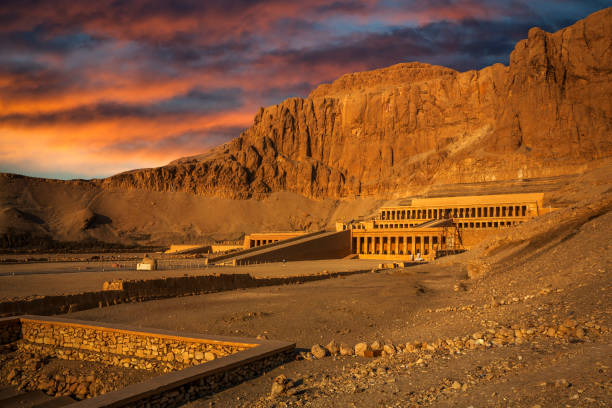

Egypt is home to some of the most magnificent temples in the world, and among them, the Temple of Hatshepsut in Luxor stands out as a true architectural wonder. Built in honor of one of Egypt’s most powerful female pharaohs, this temple is more than just an ancient monument—it is a timeless story carved in stone. For travelers exploring the West Bank of the Nile, the temple is an unmissable stop, offering history, art, and breathtaking views all in one place.
Why is the Temple of Hatshepsut Important?
The temple was built during the reign of Queen Hatshepsut, Egypt’s longest-reigning female pharaoh, in the 15th century BCE. Designed by her chief architect, Senenmut, it served as both a mortuary temple and a symbol of her legitimacy as ruler. Its terraced design, rising against the cliffs of Deir el-Bahari, was a groundbreaking architectural achievement for its time.
Visiting the Temple of Hatshepsut is not only about admiring its beauty but also about understanding how it represents female power in ancient Egypt. Many of the inscriptions and reliefs celebrate Hatshepsut’s divine birth and her achievements as pharaoh, making it a fascinating destination for history enthusiasts.
Visit The Temple of Hatshepsut Now With Vallera Tours!
Architectural Highlights You Can’t Miss
When exploring the temple, several features stand out:
- Terraced Design: The temple is built on three levels connected by grand ramps, giving it a unique and harmonious structure against the backdrop of cliffs.
- Colonnades and Statues: Rows of massive statues of Hatshepsut once adorned the temple, depicting her in both male and female forms to reinforce her authority.
- Chapel of Hathor: Dedicated to the goddess Hathor, this chapel features columns topped with cow-headed figures symbolizing fertility and motherhood.
- Chapel of Anubis: Another important section dedicated to Anubis, the god of the afterlife, with beautifully preserved artwork.
Each of these sections adds to the temple’s charm, making it one of the most impressive monuments in Egypt.
What Stories Do the Reliefs Tell?
The walls of the Temple of Hatshepsut are decorated with detailed reliefs that tell remarkable stories about her reign. One of the most famous scenes shows the expedition to the Land of Punt, a trading mission that brought back exotic goods like incense, ivory, and myrrh trees.
Another series of reliefs portrays Hatshepsut’s divine birth, showing her as chosen by the god Amun to rule Egypt. These artistic depictions not only glorified her reign but also justified her position as pharaoh in a male-dominated world.
Practical Travel Tips for Visitors
If you are planning to visit the Temple of Hatshepsut, here are some tips to make the most of your experience:
- Best Time to Visit: Early morning is ideal to avoid the midday heat and large crowds.
- Getting There: The temple is located on the West Bank of Luxor, and it can be reached easily by taxi, private tour, or organized excursions.
- Dress Comfortably: Lightweight clothing, a hat, and sunscreen are highly recommended due to the strong sun.
- Photography: The temple offers stunning photo opportunities, especially with the cliffs as a dramatic backdrop.
Why Travelers Love This Temple
Tourists often describe their visit to the Temple of Hatshepsut as one of the most memorable experiences in Luxor. Its unique architecture, well-preserved reliefs, and the sheer power of its design leave a lasting impression. Combined with its historical significance as a monument to a female ruler who defied tradition, it continues to captivate travelers from all over the world.
Read Also: Surprising Karnak Temple Facts from Egypt’s Ancient Past
FAQs about the Temple of Hatshepsut
- Who built the Temple of Hatshepsut?
The temple was designed by Senenmut, the chief architect of Queen Hatshepsut, and constructed during her reign in the 15th century BCE. - What was the purpose of the temple?
It served as a mortuary temple for Hatshepsut and as a place to honor the gods, particularly Amun, Hathor, and Anubis. - Can you go inside the Temple of Hatshepsut?
Yes, visitors can explore its terraces, chapels, and reliefs that remain well-preserved. - Where is the temple located?
It is located in Deir el-Bahari on the West Bank of the Nile, opposite the city of Luxor. - What makes this temple unique?
Its innovative terraced design, the celebration of a female pharaoh, and the stunning reliefs depicting important historical events make it one of Egypt’s most iconic monuments.
0 Comment